How Agencies Can Build Content Strategies for AI Citations: A Generative Engine Optimization Framework
A repeatable generative engine optimization framework for agencies: map customer questions, structure answers for AI extraction, and prove citation im
Generative Engine Optimization: A Repeatable AI SEO Content Framework for Agencies
If you're managing AI visibility for multiple clients right now, you've probably already noticed the uncomfortable truth: the content brief that's served your agency well for the last decade doesn't reliably produce citations in ChatGPT, Perplexity, or Gemini. I want to be direct about why, because understanding the mechanism matters more than memorising a checklist.
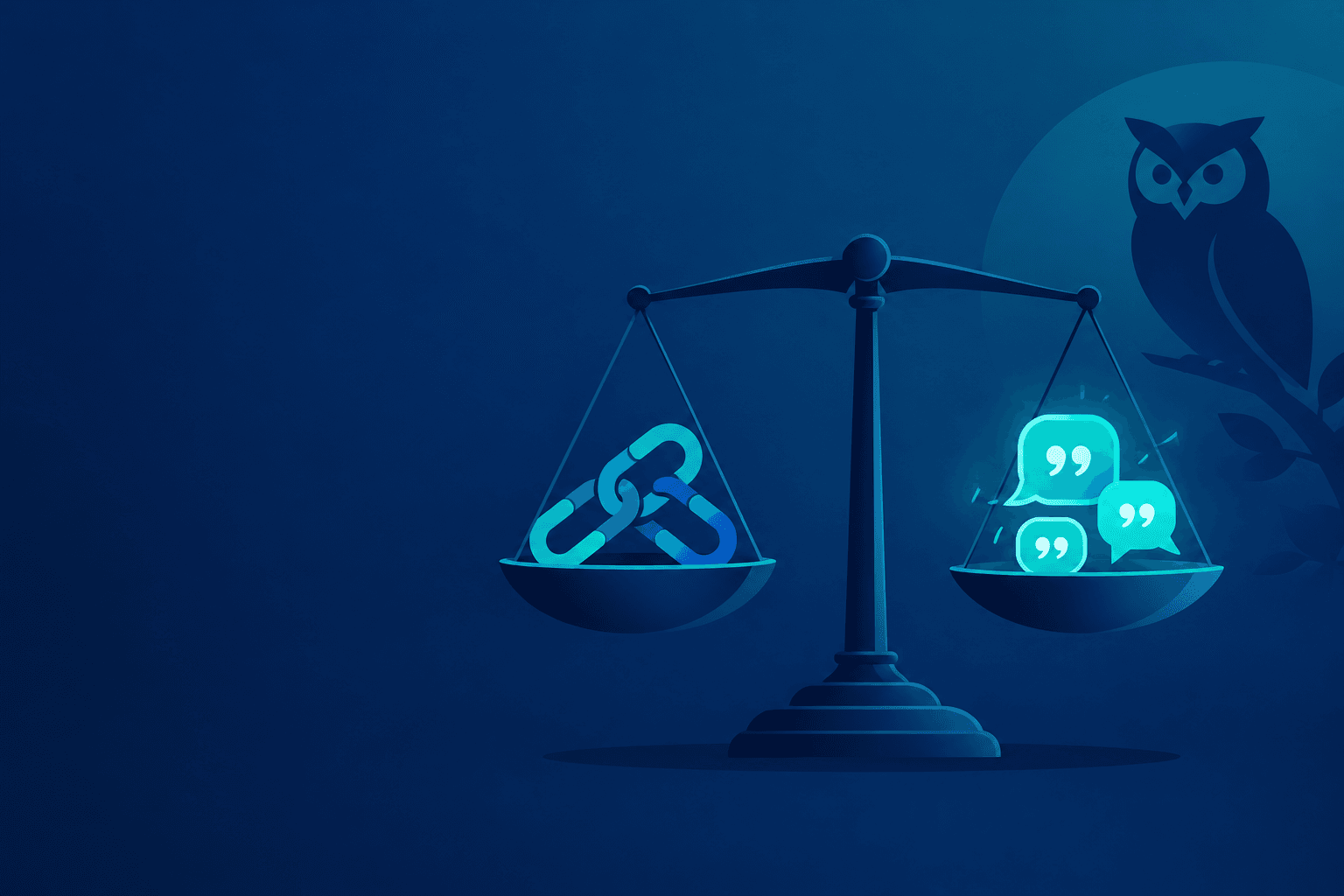
Generative engines don't rank pages against each other in the same way as a traditional search index. They synthesise an answer from retrieved content and then decide, often algorithmically and somewhat opaquely, which sources are worth citing alongside that answer. This means agencies need a content framework built around question coverage and factual clarity rather than keyword density. AI models extract and cite content based on how directly and unambiguously it answers a specific query.
The practical implication is significant. A page can hold the number one organic ranking on Google and still never appear as a citation in an AI-generated answer, because the two systems are evaluating fundamentally different things. Google's ranking algorithm weighs backlink profiles, engagement signals, and keyword relevance across a whole page. An AI model answering a user's question is asking something narrower: does this specific passage, in isolation, answer this specific question clearly enough to quote or paraphrase with confidence?
Below, I'll walk through the generative engine optimization framework I've built and refined while auditing client sites for AI visibility. It covers how to map questions to content, structure that content for extraction, measure whether it's working, and fold AI SEO into a retainer model that clients understand and value.
Why Traditional Content Briefs Fall Short for Generative Engine Optimization
Traditional SEO briefs are built around a fairly predictable set of ranking signals: target keyword placement in the H1 and first hundred words, internal linking density, and word count pegged to whatever the top ten competing pages average. These signals made sense when the goal was climbing a ranked list of ten blue links. They make considerably less sense when the goal is being the passage an AI model chooses to quote.
I've seen this gap play out repeatedly when auditing client sites for AI visibility monitoring. A client will have genuinely strong domain authority, a content library that's been optimised meticulously for years, and yet when I run their core commercial questions through ChatGPT and Perplexity, their share of voice sits at or near zero. Meanwhile, a smaller competitor with a fraction of the backlink profile is being cited consistently, simply because its content answers the exact question being asked in a format the model can lift cleanly.
What's happening here is that AI models reward three things that traditional briefs largely ignore:
- Factual clarity — is the claim stated plainly, with specifics, rather than hedged in marketing language?
- Structural extractability — can a single passage be lifted out of context and still make complete sense?
- Topical completeness — does the page fully resolve the question, or does it require the reader to piece together the answer from three different paragraphs?
None of these correlate strongly with backlink count or exact-match keyword frequency. This is precisely why agencies need to rebuild the brief template itself rather than bolting an “AI optimisation” section onto the existing one. Generative engine optimization isn't a layer you add to AI SEO after the fact — it needs to be the foundation the brief is written from.
How to Map Customer Questions to AI SEO Content Pages
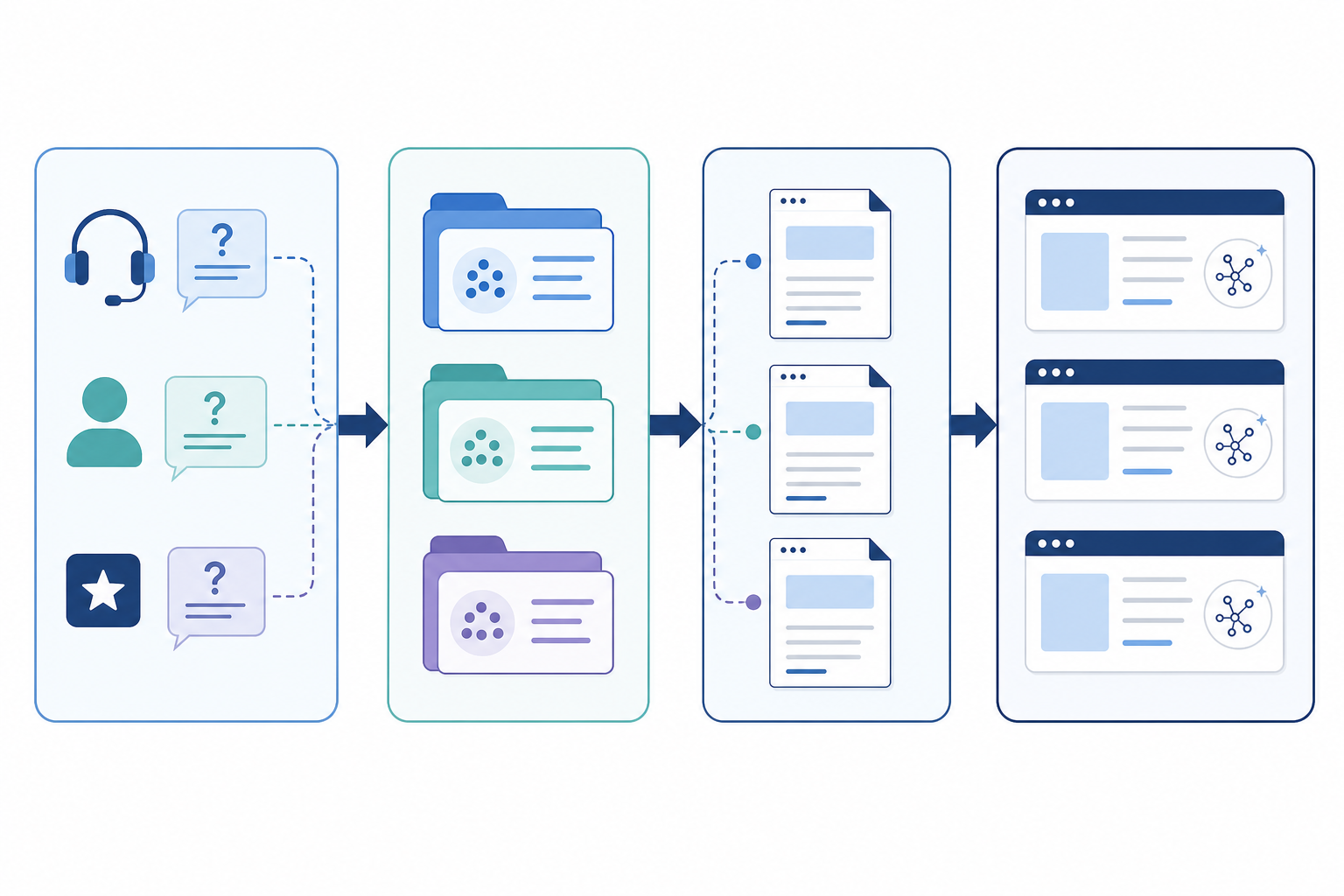
Once you accept that AI citations are earned at the question level rather than the page level, the next step is building a system for identifying and organising those questions properly. Here's the process I use:
Pull real questions from real sources. Don't start with a keyword tool. Start with sales call transcripts, support ticket logs, and review site comments. These sources capture the actual phrasing customers use when they're genuinely trying to decide something, which is far closer to how people query AI assistants than the fragmented phrases a keyword tool surfaces.
Manually test those questions against the major AI platforms. Run each question through ChatGPT, Claude, Gemini, and Perplexity, and record what the current answer looks like, along with which sources get cited. This baseline is essential — you can't measure improvement against a state you never documented.
Group questions by intent cluster, not keyword volume. Comparison questions (“X vs Y for small businesses”), pricing questions, how-to questions, and definitional questions each get answered differently by AI models, and each cluster needs a different content structure. Grouping by search volume, as traditional SEO does, obscures this distinction entirely.
Assign one dedicated page or section per distinct question cluster. This is a deliberate departure from the broad, five-questions-in-one-post approach that's common in traditional content marketing. AI models extract more reliably from focused content than from broad content, so resist the urge to consolidate for the sake of efficiency.
Flag the competitive gaps. Where competitors are being cited on a given question and your client isn't, that's your priority backlog item for the next sprint. This is data, not guesswork, and it should drive sprint planning directly.
This mapping exercise is essentially what MentionOwl's auto-generated question sets do at scale. The platform crawls a client's website and surfaces the actual questions AI engines are likely to be asked about that brand, which removes a huge amount of the manual research burden I've just described. An agency can then move straight to content production with a validated question list in hand.
How to Structure Answers for Extraction by AI Models
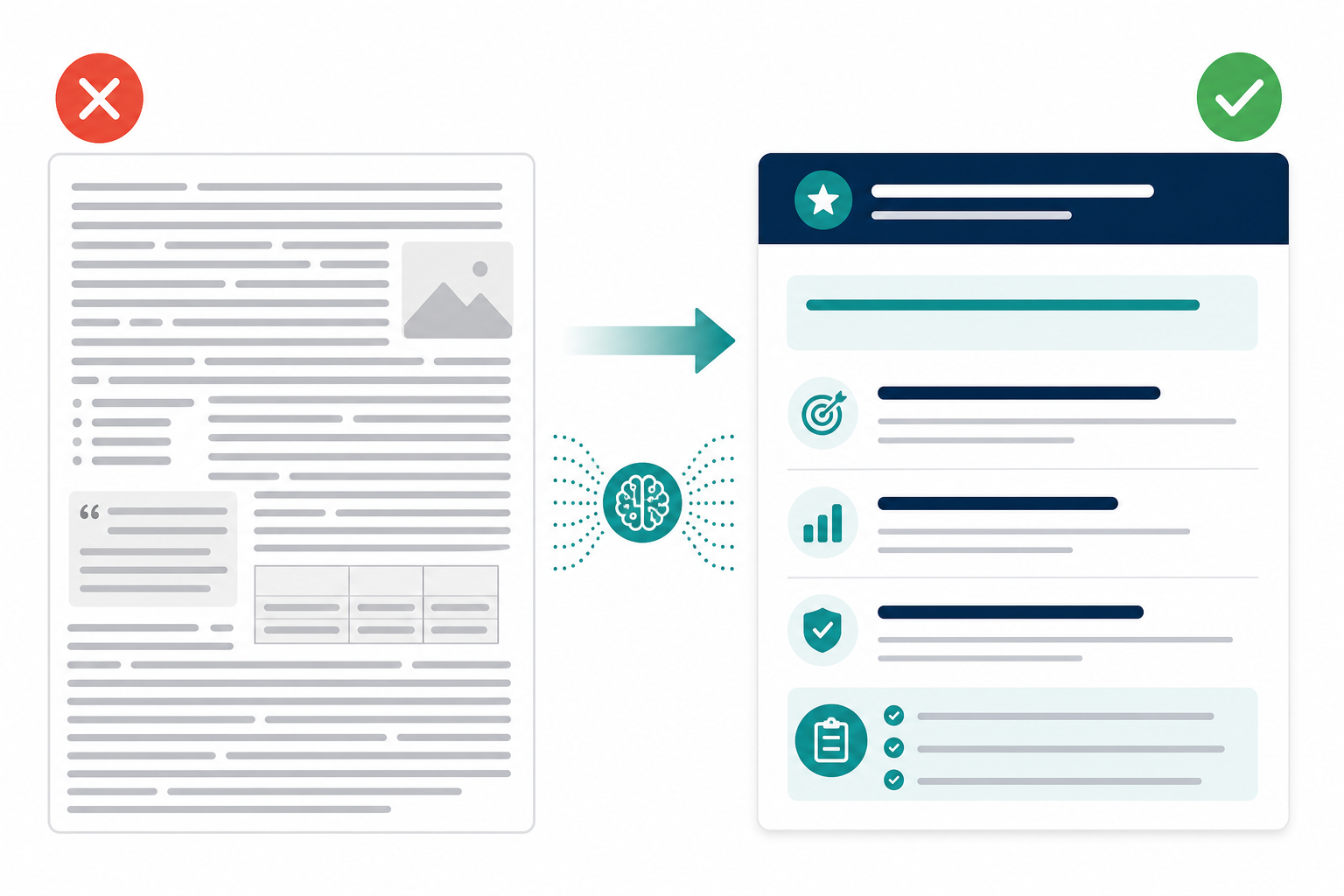
Once you know which questions you're targeting, how you structure the answer matters as much as the research that identified it. I've tracked citation patterns across a number of client accounts, and a few structural choices consistently correlate with higher extraction rates:
- Lead with a direct, self-contained answer in the first two sentences. AI models frequently extract the opening statement of a section verbatim or very near-verbatim, so burying your actual answer in the third paragraph is one of the most common and easily fixed mistakes I see.
- Use headers phrased as questions. H2 and H3 tags written in natural question form (“How much does X cost?” rather than “Pricing Overview”) match the way users actually phrase queries to AI assistants, which appears to improve retrieval matching.
- Make one claim per sentence. Long narrative paragraphs that weave three or four facts together read fine to a human skimming for tone, but they read poorly to a model trying to isolate a single extractable fact. Breaking claims into individual sentences benefits both audiences, in my experience.
- Use specific numbers, dates, and named entities. “Reduces onboarding time by 40%” extracts and gets cited far more reliably than “saves significant time”, because the model has something concrete to quote rather than a vague qualifier it has to hedge around.
- Add comparison tables and short definitional callouts. These formats show up disproportionately often in cited AI answers based on what I've tracked across client accounts — likely because tabular data and clean definitions are inherently easier for a model to parse and quote cleanly than prose.
Beyond content structure, there's a technical layer that agencies frequently overlook: AI legibility. This covers schema markup, crawlability for AI crawlers specifically, page load behaviour, and content hierarchy — the structural factors that determine whether a model's retrieval system can access and parse your content properly in the first place, independent of how well-written it is.
Running an AI legibility audit covering technical factors such as schema markup and crawlability is one of the 16 checks MentionOwl runs as part of its platform. It consistently surfaces fixable issues that agencies miss because they simply aren't looking for them. A client can have beautifully structured, question-mapped content sitting behind a technical barrier that prevents it from ever being retrieved.
How to Measure AI Citation Impact After Publishing
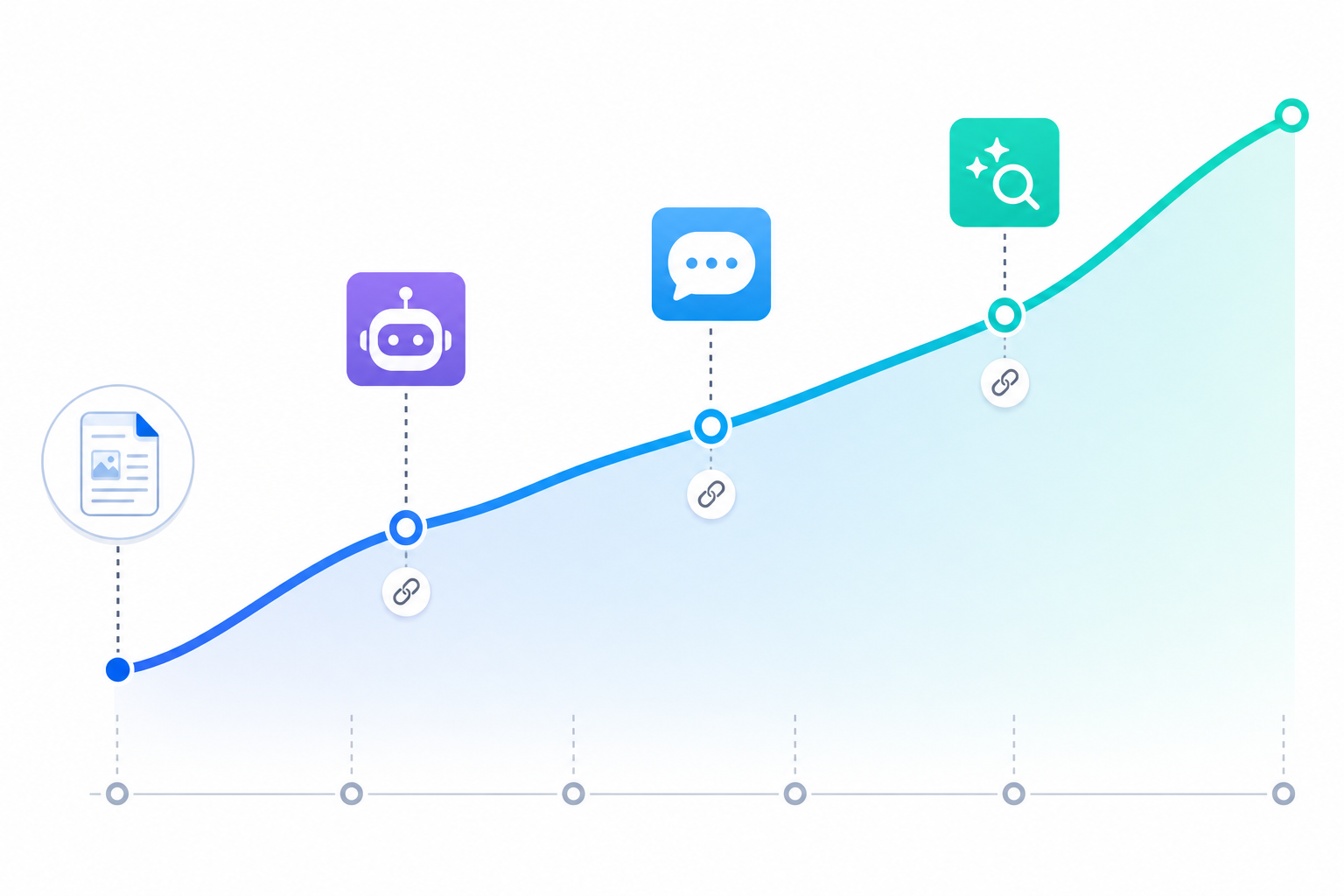
Here's something I need to be honest about, because it affects how you set client expectations: citation appearance is not instant. In my experience tracking client content through this process, most pages take somewhere between two and six weeks to show up in AI answers. That range depends heavily on how frequently the underlying model refreshes its retrieval index. Perplexity, which leans more heavily on live web retrieval, tends to reflect new content faster than models with more static training cut-offs supplemented by periodic retrieval updates.
This timing variability is exactly why daily querying against major AI platforms is the only reliable way to catch the shift as it happens. Weekly or monthly spot-checks routinely miss the actual inflection point. You'll check on a Monday, see nothing, and assume the content isn't working, when in reality the citation appeared on Thursday and started fading by the following Monday because a competitor's page was refreshed.
This is a core part of why LLM monitoring needs to run on a near-continuous cadence rather than the periodic audit schedule agencies are used to from traditional rank tracking.
When you do have citation data coming in, there are several dimensions worth tracking beyond simple presence or absence:
- Position-weighted citations. Being cited third in a Perplexity answer carries meaningfully different weight from being cited first, since users are demonstrably more likely to click or trust the first-listed source. A binary “mentioned or not” metric flattens this distinction and can make declining performance look stable.
- Share of voice against named competitors. A rising visibility score in isolation means relatively little if a named competitor is still dominating the same question cluster. Share of voice contextualises your gains against the competitive landscape, which is the number that actually matters to a client.
- Sentiment alongside frequency. A client can be cited often and still be described in lukewarm, outdated, or subtly inaccurate terms. Sentiment analysis needs to sit next to citation tracking, not as an afterthought, because frequency without favourable sentiment is a hollow win.
How to Build Generative Engine Optimization Into Client Retainers
A framework only earns its keep if it translates into a retainer structure that clients understand and agencies can execute repeatedly. Here's how I'd structure it:
Set a baseline visibility score before the first content sprint. You need a concrete before number to show a concrete after number in the client review. Without this, every conversation about progress becomes anecdotal.
Structure monthly work around question-gap closure. Report in terms of X new questions covered, Y citations gained, and Z share of voice improvement versus named competitors. This gives the client a tangible unit of work rather than a vague description of “content produced.”
Send weekly digests summarising citation changes, sentiment shifts, and competitor movement. This keeps the work visible between formal review calls, which matters enormously for retainer renewal conversations. Clients who see progress weekly are far less likely to question the value of the engagement at renewal time.
Use a single proprietary visibility score clients can track without interpreting raw data. A visibility score built from query coverage, position-weighted citations, and share of voice gives clients one number to watch over time, the same way domain authority or a keyword ranking position has functioned historically — just recalibrated for how generative engines actually work.
Pair content production with quarterly technical legibility fixes. Structural site issues can quietly cap how well even excellent content performs in AI answers, so content and technical work need to run on parallel tracks rather than sequentially.
Build competitor tracking into every retainer by default. Clients consistently ask, “Are we ahead of them yet?”, and agencies need a factual, data-backed answer ready rather than an anecdotal impression based on a few manual ChatGPT queries run the night before the call.
This is the retainer model I'd encourage any agency serious about AI SEO to adopt — not because it's trend-chasing, but because it maps cleanly onto how these systems actually behave. It also gives you defensible, reportable numbers instead of vague claims about “AI presence.”
Frequently Asked Questions About AI SEO and Generative Engine Optimization
How is a content brief for AI different from a regular SEO brief?
A traditional SEO brief is built around keyword targets, word count, and internal linking. An AI-focused content brief is built around question clusters and factual extractability. The priority is answering one specific question completely and unambiguously rather than covering a broad topic with keyword variations woven throughout.
What content formats do AI models cite most?
Based on patterns I've tracked across client accounts, direct-answer paragraphs, comparison tables, and clearly labelled definitional sections get cited more consistently than long narrative blog content. Structured data and clean headers also correlate with higher extraction rates.
How long after publishing do AI citations typically appear?
Typically two to six weeks, although this varies by platform and how often that model refreshes its retrieval index. This is precisely why daily monitoring matters more than monthly check-ins. The appearance window is often narrow and easy to miss with infrequent tracking.
How do I prove an AI SEO strategy worked to clients?
Track a visibility score baseline before starting, then report movement in query coverage, position-weighted citations, and share of voice against named competitors on a weekly basis. A single trackable number combined with concrete before-and-after citation examples is far more persuasive to clients than raw ranking data.